
Czy wartość trofeów przewyższa złoto? Lekcja z historii i sukcesu Maximus Multiplus

W dzisiejszym świecie, pełnym materialnych dóbr i szybkich sukcesów, pytanie o prawdziwą wartość tego, co posiadamy, jest bardziej aktualne niż kiedykolwiek. Czy trofea i symbole osiągnięć mają większe znaczenie od złota, które od wieków symbolizuje bogactwo i materialny sukces? Ta refleksja dotyczy nie tylko jednostek, ale także kultur i społeczeństw na przestrzeni wieków. Warto prześledzić, jak ewoluowało pojmowanie wartości i co tak naprawdę jest najważniejsze w życiu.

Spis treści

Wartość trofeów i złota: wprowadzenie do tematu i podstawowe pytania

W kontekście historii i współczesności, trofea i złoto pełniły różne role w zależności od epoki, kultury i indywidualnych przekonań. Trofea, rozumiane jako medale, puchary, odznaczenia czy symbole zwycięstwa, od zawsze miały wymiar symboliczny i emocjonalny. Z kolei złoto od wieków było uznawane za uniwersalny wyznacznik bogactwa i materialnego sukcesu.

Dlaczego pytanie, które postawiono, jest istotne dla każdego człowieka? Bo w istocie dotyczy ono tego, co naprawdę ma wartość w naszym życiu. Czy materialne bogactwo jest w stanie zapewnić trwałe szczęście, czy może to osiągnięcia niematerialne, takie jak dumne trofea czy uznanie społeczne, mają głębsze znaczenie? Warto zadać sobie pytanie, czy w istocie sukces musi wyrażać się w złocie, czy może w czymś więcej, co pozostaje na długo w naszej pamięci i sercu.

Ważną rolę odgrywają tutaj wartości symboliczne, które kształtują nasze spojrzenie na to, co jest ważne. Trofea i odznaczenia często symbolizują nie tylko zwycięstwo, ale także wytrwałość, odwagę i pasję. Z kolei złoto, choć materialnie atrakcyjne, może okazać się przemijającym symbolem sukcesu, który nie zawsze przynosi wewnętrzne spełnienie.

Historia trofeów: od starożytności do współczesności

Trofea w starożytnym Rzymie i ich znaczenie religijne i społeczne

W starożytnym Rzymie trofea odgrywały kluczową rolę w ceremoniach zwycięstwa. Zdobyte łupy, takie jak broń, sztandary czy ozdoby, były wystawiane podczas triumfów, a ich głównym celem było podkreślenie chwały zwycięzcy. Trofea miały także wymiar religijny – były dziękczynieniem bogom za zwycięstwo i ochronę. W kulturze rzymskiej, triumfujący generał mógł z dumą prezentować swoje trofea, które nie tylko symbolizowały zwycięstwo, ale także potęgę i sławę imperium.

Przykłady z czasów gladiatorów: trofea a decyzje imperatora

W czasach gladiatorów, zwycięzcy walk otrzymywali trofea – zwykle tzw. „palmy” czy specjalne odznaczenia, które potwierdzały ich wybitne osiągnięcia. Decyzje o przyznaniu trofeów często zależały od opinii cesarza lub organizatorów igrzysk. Trofea te miały nie tylko wymiar honorowy, ale także motywacyjny dla innych wojowników i gladiatorów.

Czy trofea miały dla starożytnych większą wartość niż złoto?

Z historycznego punktu widzenia, trofea w starożytności często były bardziej cenione niż złoto, szczególnie w kontekście społecznego uznania. Trofea symbolizowały osiągnięcie, które potrafiło trwać wiecznie jako świadectwo zwycięstwa, podczas gdy złoto – choć cenne – mogło być łatwo skradzione lub sprzedane. Dla starożytnych zwycięzców, trofea miały wartość niematerialną, przekraczającą materialne bogactwo.

Złoto jako symbol bogactwa i materialnego sukcesu

Złoto w kulturze polskiej i europejskiej – od dawnych czasów do nowoczesności

W Polsce i Europie, złoto od wieków było symbolem bogactwa, władzy i stabilności. W średniowieczu, królestwa i księstwa chętnie gromadziły złote monety i relikwiarze, aby podkreślić swoją potęgę. W czasach nowożytnych, złoto stało się podstawą systemów monetarnych i inwestycji. Współczesne społeczeństwa nadal utożsamiają złoto z materialnym sukcesem, choć coraz częściej pojawiają się głosy o jego ograniczeniach jako jedynego wyznacznika wartości.

Zalety i ograniczenia posiadania złota jako formy wartości

  • Zalety: trwałość, łatwość przechowywania, historyczna wiarygodność jako zabezpieczenie przed kryzysami.
  • Ograniczenia: brak generowania dochodu, nie zapewnia samodzielnego rozwoju, jego wartość może być subiektywnie zawyżana lub zaniżana przez rynki.

Czy złoto jest najważniejszym wyznacznikiem sukcesu?

Współczesne badania pokazują, że choć złoto symbolizuje bogactwo, to w wielu kulturach, w tym także w Polsce, coraz bardziej docenia się osiągnięcia niematerialne, takie jak rozwój osobisty, relacje międzyludzkie czy satysfakcja z pracy. Złoto może zapewnić bezpieczeństwo materialne, ale nie gwarantuje szczęścia czy spełnienia.

Nowoczesne rozumienie wartości: trofea, osiągnięcia i sukces

Trofea sportowe, naukowe i osobiste jako symbole osiągnięć

Dziś trofea często kojarzą się z medalami, pucharami czy odznaczeniami w różnych dziedzinach – od sportu, przez naukę, po działalność społeczną. Każde z nich symbolizuje wytrwałość, pasję i umiejętności. Przykładem mogą być nagrody przyznawane w konkursach naukowych czy prestiżowe odznaczenia dla osób działających na rzecz społeczeństwa.

Wartości niematerialne w kulturze i edukacji – co jest ważniejsze od złota?

W kulturze i edukacji coraz częściej podkreśla się znaczenie takich wartości jak uczciwość, wytrwałość, kreatywność czy współczucie. Wartości niematerialne, choć trudniejsze do zmierzenia, mają długotrwały wpływ na życie jednostek i społeczeństw. Przykładami są osiągnięcia naukowe, które nie zawsze są nagradzane złotem, ale za to przynoszą wiedzę i postęp.

Przykład Maximus Multiplus jako nowoczesne trofeum – co symbolizuje?

Maximus Multiplus jest doskonałym przykładem, jak osiągnięcia niematerialne mogą stać się symbolem sukcesu. To platforma, która nagradza postawy, rozwój osobisty i zaangażowanie, niekoniecznie poprzez materialne nagrody, ale poprzez uznanie i prestiż. Więcej informacji można znaleźć tutaj. Tego typu trofea odzwierciedlają wartość, którą jest rozwój, pasja i wytrwałość – wartości, które trwają znacznie dłużej niż złoto.

Porównanie: wartość symboliczna trofeów a materialne bogactwo

Jakie są psychologiczne i społeczne aspekty posiadania trofeów i złota?

Psychologicznie, trofea mogą budzić dumę, motywować do dalszego rozwoju i umacniać poczucie własnej wartości. Społecznie, uznanie i szacunek związane z trofeami są często trwalsze niż materialne bogactwo, które łatwo się ulatnia. Trofea stanowią trwałe świadectwo osiągnięć, które mogą inspirować innych.

Czy sukces mierzony złotem jest trwały czy przemijający?

Badania psychologiczne wskazują, że materialne bogactwo – choć ważne na poziomie bezpieczeństwa – nie gwarantuje długotrwałego szczęścia. Sukces oparty na niematerialnych wartościach, takich jak satysfakcja z własnych osiągnięć czy społeczne uznanie, jest zwykle bardziej trwały i przynosi głębokie zadowolenie.

Rola społecznego uznania i emocji w wartościach symbolicznych versus materialnych

Społeczne uznanie odgrywa kluczową rolę w kształtowaniu wartości. Trofea, które symbolizują osiągnięcia, często wywołują pozytywne emocje i trwałe wspomnienia, podczas gdy złoto może być jedynie symbolem chwilowego sukcesu. To, co jest doceniane przez społeczność, ma większą szansę na pozostanie w naszej pamięci na dłużej.

Polska kultura i tradycje: co dla nas jest najważniejsze?

Jak polskie wartości, takie jak honor, tradycja i wspólnota, odnoszą się do tematu?

Polska kultura od wieków kładła nacisk na wartości takie jak honor, lojalność, wspólnota i patriotyzm. Trofea i odznaczenia w polskiej historii często symbolizowały nie tylko osobiste osiągnięcia, ale także przynależność do narodowej wspólnoty i dumną tradycję. Przykładami są odznaczenia wojskowe czy medaliki związane z polską historią walki o niepodległość.

Czy trofea w polskiej historii miały większą wartość niż bogactwo materialne?

W polskiej tradycji, szczególnie w okresach trudnych, takich jak zabori czy wojny, trofea i symboliczne odznaczenia często miały większą wartość od materialnego bogactwa. Przykładem są odznaczenia bojowe czy pamiątki z walk o wolność, które stanowiły świadectwo ducha i patriotyzmu.

Wpływ historycznych i społecznych wzorców na postrzeganie sukcesu i wartości

Historia Polski pokazuje, jak ważne są wartości niematerialne, takie jak honor, odwaga i wspólnota. Te wzorce wpływają na obecne postrzeganie sukcesu, w którym osiągnięcia duchowe i społeczne mają równie dużą wartość co materialne bogactwo.

Nauka i edukacja: czego możemy się nauczyć z historii trofeów i złota?

Lekcje z przeszłości

Seasonal Promotions in Online Gambling

Seasonal promotions in online gambling are an excellent way for players to maximize their bankrolls while enjoying their favorite games. These promotions often come with enticing offers, but they also require a keen understanding of Return to Player (RTP) percentages, bonus terms, and wagering requirements. Let’s explore the nuances of these promotions and how you can find value in them.

What are Seasonal Promotions?

Seasonal promotions are special offers provided by online casinos like HadesBet Casino promotions during specific times of the year, such as holidays or significant events. These promotions can include deposit matches, free spins, and cashback offers aimed at attracting players and enhancing their gaming experience.

How do Seasonal Promotions work?

Typically, casinos will announce these promotions through email newsletters or their websites. To take advantage of them, players usually need to opt-in or fulfill certain criteria, such as making a minimum deposit. Understanding the terms is crucial, as they often come with wagering requirements that dictate how many times you need to play through your bonus before you can withdraw any winnings.

What are Common Wagering Requirements?

Wagering requirements can vary significantly among promotions. A common requirement is 35x, meaning if you receive a £100 bonus, you must wager £3,500 before any withdrawal. Some promotions may even have higher requirements, making it essential to pay attention to the specifics.

How does RTP factor into Seasonal Promotions?

Return to Player (RTP) is a percentage that indicates how much of the total wagered amount a game is expected to return to players over time. For example, a slot with an RTP of 96% will pay back £96 for every £100 wagered in the long run. When utilizing seasonal promotions, choosing games with higher RTP can improve your chances of meeting wagering requirements successfully.

What should I look for in Bonus Terms?

  • Validity Period: Check how long the promotion is available. Limited-time offers can expire before you meet the conditions.
  • Maximum Cashout: Some bonuses cap the amount you can withdraw from your winnings, so be aware of this limit.
  • Game Restrictions: Not all games contribute equally towards wagering requirements. Slots might contribute 100%, while table games may contribute less.

Common Myths about Seasonal Promotions

  • All Promotions are Good: Not all seasonal promotions offer real value. Always analyze the terms and conditions.
  • Higher Bonuses are Always Better: A larger bonus with high wagering requirements may not be as beneficial as a smaller bonus with lower requirements.
  • Free Spins are Always Free: Free spins often come with conditions, like needing to deposit or meet wagering requirements before cashing out.

How to Maximize Your Seasonal Promotion Experience?

To get the most out of seasonal promotions, consider these strategies:

  • Focus on games with high RTPs to meet wagering requirements faster.
  • Read the fine print to avoid any surprises regarding bonus terms.
  • Plan your gaming sessions around the promotion period to make full use of the offers.

Comparison of Seasonal Promotions

Promotion Type Typical Wagering Requirement Maximum Cashout
Deposit Match 35x Varies by casino
Free Spins 30x (on winnings) £200
Cashback No Wagering Varies by casino

Understanding seasonal promotions in online gambling is key to recognizing value. By focusing on RTP, closely examining bonus terms, and being aware of wagering requirements, you can significantly enhance your gaming experience at casinos like HadesBet. Happy gaming!

Der Pharao und das Geheimnis der 3-Live-Regel

Im Herzen der pharaonischen Weisheit verbirgt sich ein Prinzip, das bis heute strategisches Denken prägt: die 3-Live-Regel. Sie steht für mehr als bloße Multiplikatoren – sie ist ein Symbol für Lebensreichtum, Entscheidungsfreiheit und die Kraft, aus Bescheidenem zum Überwältigenden zu wachsen. Wie die drei goldenen Klöver im Pharaonenpalast offenbart diese Regel, wie strukturiertes Wachstum und dynamische Chancen Hand in Hand gehen.

Die 3-Live-Regel: Grundprinzip des pharaonischen Weisheitsgedankens

Die 3-Live-Regel basiert auf dem Prinzip der Multiplikation – ein Symbol für Fülle, Potenzial und den Wert von Entscheidungen. Genauso wie der Pharao sein Reich durch Weisheit und gezielte Schritte lenkte, fungiert diese Regel als Leitfaden für strategisches Handeln: Durch Kombinationen von Klövern entfaltet sich der Reichtum dynamisch, doch stets innerhalb klar definierter Phasen. Passiv, aktiv und golden – drei Stufen, die Entwicklung und Meisterung widerspiegeln.

Die drei Aktivierungsstufen – passiv, aktiv und goldene Phase

  1. Passive Phase: Die Münze ruht, der Klöver mit 0,5x setzt die Grundlage. Hier beginnt die Reise – ein kleiner, aber erster Schritt.
  2. Aktive Phase: Ein verdoppelnder Klöver aktiviert den Wert, verdoppelt effektiv den Reichtum. Diese Stufe verkörpert den Moment aktiver Entscheidung.
  3. Goldene Phase: Im Riches-Modus entfaltet sich die Krönung: Multiplikatoren von 2x bis 500x verwandeln modesten Gewinn in atemberaubende Erfolge. Hier offenbart sich die volle Macht der Regel.

Das magische Goldklöver-System im Pharaonenpalast

Im Palast des Pharaos sind die Klöver mehr als Spielsteine – sie sind magische Verstärker. Jeder Klöver verdoppelt oder multipliziert den Wert der Münze, sodass bescheidene Ausgangsgewinne bis hin zu überwältigenden Multiplikatoren skalieren.

  • 2x bis 20x: Die erste Stufe der Transformation, die vom „Bronze“-Status führt – ein Ausgangspunkt mit 0,2x bis 4x Multiplikator.
  • 20x bis 500x: Der Übergang ins „Silber“ – Stärkung durch gezielte Aktivierung, der Übergang zur wertvollen Reichtumsphase.
  • 500x als goldene Hochphase: Der Höhepunkt des Riches-Modus, wo Reichtum nicht nur wächst, sondern strahlt – die Krönung des pharaonischen Glücks.

Alle 19 Gewinnlinien: Ein ständiger Kreislauf des Reichtums

Eine Besonderheit der 3-Live-Regel ist ihre Unveränderlichkeit: Jede der 19 Gewinnlinien bleibt permanent aktiv, ohne Anpassung. Diese Stabilität bildet den sicheren Rahmen, innerhalb dessen Risiko und Chance im Einklang stehen. Im Kontrast zum dynamischen Modus schafft sie eine vertrauensvolle Basis – wie die ewigen Pyramiden, die über Jahrtausende bestehen.

Riches-Modus: Drei Schichten des Goldglanzes

Der Riches-Modus offenbart die tiefste Schicht der 3-Live-Regel: drei Stufen des Goldglanzes, die den Weg vom Bescheidenen zum Übermächtigen gestalten.

Stufe Multiplikator Beschreibung
Bronze 0,2x – 4x Ausgangspunkt, bescheidener Gewinn
Silber 5x – 20x Übergangszone zum wertvollen Reichtum
Gold 20x – 500x Höhepunkt, extreme Multiplikatoren

Die 3-Live-Regel im Detail: Bildung, Funktion, Wirkung

Die Regel entfaltet sich durch drei zentrale Mechanismen: Bildung über Klöverkombinationen, Funktion als automatische Echtzeit-Verstärkung ohne manuelles Eingreifen und Wirkung, die Spannung durch kontrollierte, aber dynamische Gewinne schafft.

Durch geschickte Kombinationen der Klöver wird der Multiplikator aktiviert – ein Prozess, der intuitiv wie kultiviert wirkt. Die Funktion der Regel ist geprägt von Automatik: keine Eingriffe, kein Zögern, sondern sofortige Wertsteigerung. Die Wirkung entfaltet sich in einer Balance von Sicherheit und Chance – wie ein sicherer Schritt auf einem Fluss, der doch mächtig sein kann.

Warum diese Regel das moderne Pharaonenbild lebt

Das Pharaonenimage steht für Macht, Weisheit und unerschütterlichen Reichtum – Werte, die die 3-Live-Regel verkörpert. Sie zeigt, wie strategisches Denken aus einfachen Prinzipien entsteht: Multiplikation als Symbol für Wachstum, Phasen als Weg zur Meisterschaft, Stabilität als Fundament für Risiko. Spieler*innen werden nicht nur Teilnehmer, sondern aktive Gestalter ihres Erfolgs – wie der Pharao selbst, der sein Reich durch Weisheit und Mut formte.

Praktisches Beispiel: Von der Bronze zur Gold-Phase

Stellen wir uns vor, die Münze trägt einen Klöwer mit 0,5x. Wird dieser verdoppelt, steigt der Multiplikator auf 1x – der Beginn der Reise. Mit einem zweifachen Klöver verdoppelt sich der Wert sofort auf 2x. Im Riches-Modus führt weitere Verdopplung zu 4x, 8x, und so weiter. Nach mehreren Aktivierungen, kombiniert mit dem Riches-Modus, kann der Multiplikator auf über 400x explodieren – der ultimative goldene Moment, der den Weg zur Gold-Phase und dem 500x-Sieg ebnet.

Diese Entwicklung spiegelt nicht nur Spielmechanik wider, sondern ein timeless Prinzip: aus kleinen Entscheidungen wird großer Reichtum, aus Stabilität wächst Mut zur Risikoentscheidung – genau wie im alten Ägypten, wo Weisheit und Planung für den ewigen Segen sorgten.

„Der Pharao wusste: Reichtum entsteht nicht durch Zufall, sondern durch kluges Handeln – durch den Mut, die Zahlen zu multiplizieren und den Weg bewusst zu gehen.“

Die 3-Live-Regel ist mehr als Spielprinzip – sie ist eine Metapher für strategisches Denken in einer Welt voller Möglichkeiten. Sie verbindet Tradition und Moderne, bietet Struktur und Freiheit, Sicherheit und Spannung. Wer sie versteht, spielt nicht nur – er lebt die Weisheit des Pharaos.

Erfahren Sie mehr über die 3-Live-Regel und moderne Strategie im Le Pharaoh™: Dynamic

How to Access Sports Betting on Winzter Casino Mobile

Verdict: Accessing sports betting on Winzter Casino Mobile offers a seamless experience for punters, with a user-friendly interface and attractive promotions, but it’s essential to consider the withdrawal limits and VIP programme for high-rollers.

Pros vs Cons

Pros

  • User-Friendly Mobile Interface: The mobile platform is optimised for smooth navigation, making it easy to place bets.
  • Wide Range of Sports: Offers betting on popular sports including football, rugby, and horse racing.
  • Attractive Promotions: New users can benefit from generous welcome bonuses and ongoing promotions.
  • High Withdrawal Limits: VIP members enjoy increased withdrawal limits, ensuring quick access to winnings.
  • Secure Transactions: Licensed by the UK Gambling Commission (UKGC), ensuring a safe betting environment.

Cons

  • Limited Payment Options: Some users may find the available payment methods insufficient for their preferences.
  • Wagering Requirements: Bonuses come with a 35x wagering requirement, which can be challenging to meet.
  • Restricted Access: Some features may not be available on the mobile version compared to the desktop site.

Getting Started with Sports Betting on Winzter Casino Mobile

To access sports betting on the Winzter Casino mobile platform, follow these straightforward steps:

  1. Download the App: First, visit the Winzter Casino website and download the mobile app compatible with your device.
  2. Create an Account: If you’re new, complete the registration process, providing necessary details such as your name, email, and age verification, ensuring compliance with UK regulations.
  3. Make a Deposit: Choose from the available payment methods to fund your account. Ensure you meet any minimum deposit requirements.
  4. Access Sports Betting: Navigate to the sports section within the app. Here, you can explore various sports and events available for betting.
  5. Place Your Bets: Select your desired event, choose your bet type, and enter your stake to place your bet.

Understanding Withdrawal Limits and VIP Programme

Winzter Casino offers competitive withdrawal limits, especially beneficial for high-rollers. Regular users may face a standard withdrawal limit of £2,000 per transaction, while VIP members can access limits up to £10,000, ensuring that larger winnings can be processed efficiently. The VIP programme also includes exclusive games and tailored promotions.

Feature Standard User VIP User
Withdrawal Limit £2,000 Up to £10,000
Wagering Requirement 35x 30x
Exclusive Promotions No Yes
Access to Exclusive Games No Yes

Final Thoughts

Accessing sports betting on Winzter Casino Mobile is a straightforward process, complemented by a solid VIP programme that enhances the experience for dedicated punters. By understanding the withdrawal limits and wagering requirements, users can optimise their betting strategy and maximise their enjoyment of this exciting platform. For those looking to explore further, a comprehensive winzter casino review can provide additional insights into what the platform has to offer.

Reimagining Slot Machines: The Future Meets Retro with Space-Age Innovation

Introduction

The gaming industry has long celebrated the allure of slot machines, balancing proven entertainment mechanics with technological innovation. From traditional mechanical reels to today’s immersive digital displays, the evolution reflects an industry committed to engaging players while pushing creative boundaries. In recent years, an intriguing concept has emerged that fuses nostalgia with futurism: the space-age slot machine. This hybrid approach offers unparalleled insights into how themed, technologically advanced gaming devices can redefine player experiences and industry standards.

The Rise of Themed Slot Machines and The Appeal of Futurism

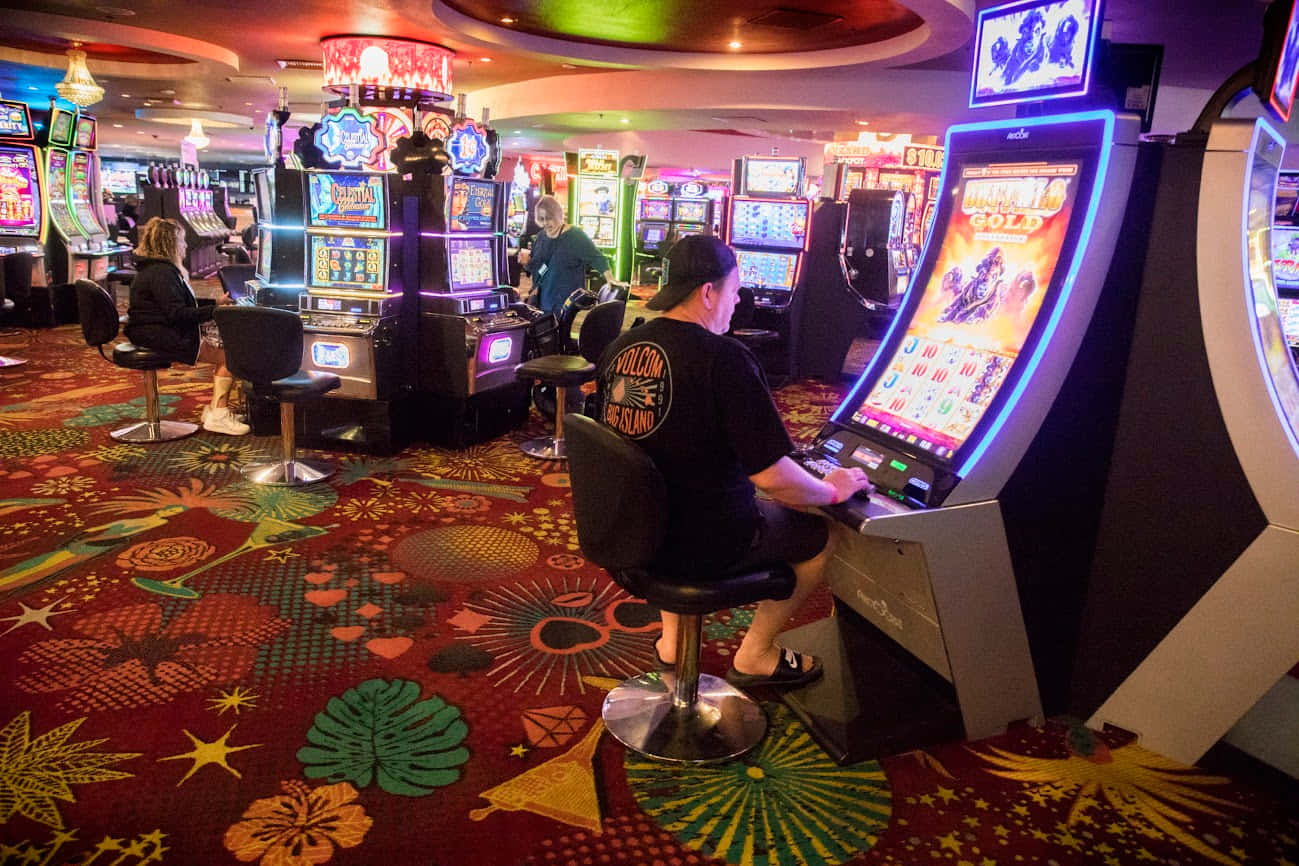
Slot machines have historically thrived on compelling themes—be it ancient civilizations, pop culture icons, or fantastical worlds. However, the integration of futurism and space-age aesthetics is creating a new frontier. The idea is to transport players beyond terrestrial boundaries, leveraging sci-fi motifs—think sleek metallic interfaces, neon accents, holographic displays, and cosmic soundscapes—to evoke a sense of wonder and exploration.

For example, industry pioneers like Novomatic and Scientific Games have launched machines that incorporate futuristic graphics and sound effects, yet they often lack immersive technology that evokes actual space exploration. This gap is precisely where the space-age slot machine concept offers a leap forward, integrating cutting-edge design with advanced mechanics to enhance engagement and retention.

Technological Innovations Powering Space-Age Slot Machines

Feature Description Industry Impact
Holographic Displays Creating three-dimensional visual elements that simulate floating galaxies or spacecraft. Enhances visual immersion, appealing to tech-savvy players and attracting attention in physical venues.
Touchscreen Interfaces Futuristic, intuitive controls that mimic cockpit panels or control stations from sci-fi narratives. Facilitates interactive gameplay, allowing customization and multi-layered bonus features.
Augmented Reality (AR) Overlay digital graphics onto physical reels or surrounding space, creating mixed reality experiences. Offers dynamic storytelling and educational opportunities related to space exploration.
Variable Payout Structures Adaptive algorithms that simulate cosmic phenomena, providing unpredictability akin to space phenomena. Maintains player engagement through more nuanced reward mechanisms.

Industry Insights and Consumer Trends

Recent surveys indicate that players are increasingly seeking immersive experiences that go beyond traditional gameplay. The UK gaming market, notably, reports a surge in thematic machines that incorporate sci-fi elements—driven in part by the success of blockbuster franchises like Interstellar and Star Wars. Industry analysts note that incorporating space-age aesthetics into slot machines can elevate casino floor appeal, particularly among younger demographics eager for innovation.

Moreover, the rise of online slots featuring space themes demonstrates a shift toward digital experimentation, with some titles boasting nearly photo-realistic space vistas and interactive narratives. These innovations are laying the groundwork for physical machines to adopt similar immersive technologies—an evolution exemplified by projects like the space-age slot machine, which showcases a pioneering approach to integrating sci-fi design and technology.

Design and Development: Bridging Science, Art, and Gaming

Creating a space-age slot machine is an interdisciplinary effort involving game designers, technologists, and artists. The goal is to craft a seamless experience that marries aesthetics with mechanics: envision a sleek outer shell inspired by spacecraft, coupled with digital displays that mimic starfields or cosmic phenomena. Developers often employ motion sensors and sound modules to heighten realism, making players feel like astronauts aboard a spaceship venturing into the unknown.

Practical development considerations include balancing visual fidelity with hardware constraints and ensuring regulatory compliance—especially when introducing new tech like holography or AR. The end result is a machine that not only entertains but also educates, fostering curiosity about space exploration while providing the thrill of potential rewards.

Conclusion: The Future of Slot Machines Is Out of This World

As the gaming landscape becomes increasingly competitive, innovative themes like the space-age concept serve a dual purpose: captivating players’ imaginations and demonstrating technological leadership. The integration of advanced multimedia, interactive features, and thematic storytelling positions these machines as the next frontier in gaming experience evolution.

For operators and designers aiming to remain at the vanguard, the example set by pioneering initiatives—such as demonstrated in the space-age slot machine—illustrates a compelling path forward. This blend of futuristic aesthetics and cutting-edge technology not only elevates player engagement but also underscores the transformative potential within the industry’s ongoing journey towards innovation.

Best Bingo Games at PiperSpin Casino

PiperSpin Casino offers a variety of exciting bingo games, but before diving into the fun, it’s essential to evaluate the aspects of licensing, safety, and the odds associated with these games. As a player, understanding these elements can significantly impact your gaming experience and financial safety.

Licensing and Regulation

PiperSpin Casino operates under a specific gaming license, which is a crucial factor for players looking for a trustworthy gaming environment. Currently, it holds a license from the UK Gambling Commission, known for its strict regulations and consumer protection policies. This ensures that:

  • The casino is regularly audited for fair play.
  • Player funds are kept in separate accounts, safeguarding them from operational risks.
  • Players have access to a clear dispute resolution process.

However, players should always check the specifics of the license to confirm its validity. Transparency in gaming operations is vital, and any absence of this information should raise a red flag.

Safety Measures

Player safety at PiperSpin Casino is prioritized through various measures, including:

  • Data Encryption: The casino employs industry-standard SSL encryption to protect personal and financial information.
  • Responsible Gaming Tools: Options for setting deposit limits, self-exclusion, and access to support resources are readily available.
  • Age Verification: Strict age verification processes help ensure that only eligible players can participate.

These features contribute to a safer gaming environment, but players should remain vigilant and aware of potential issues, such as addiction or overspending.

Understanding the Odds and Game Mechanics

When it comes to bingo games, understanding the odds is crucial. Each game type at PiperSpin Casino may have different return-to-player (RTP) percentages and specific rules. Below is a comparison of some popular bingo games available:

Game Type Price per Ticket RTP Jackpot
90-Ball Bingo £1 85% £1,000
75-Ball Bingo £2 88% £2,500
30-Ball Bingo £0.50 90% £500

Players should pay attention to the following when choosing a bingo game:

  • Ticket Price: Higher-priced tickets may lead to bigger jackpots but also increase the risk.
  • Game Type: Different formats have varying odds and prize structures.
  • RTP Percentage: Higher RTP games generally mean better returns over time.

While the odds may seem favorable, it’s essential to remember that these games are designed for entertainment. Always approach them with caution and a clear understanding of the risks involved.

In summary, while PiperSpin Casino offers an array of bingo games that can be enjoyable and rewarding, players must remain informed about licensing, safety measures, and the odds associated with each game. By prioritizing transparency and responsible gambling practices, you can enhance your overall gaming experience. For more detailed information about the offerings, you may want to check the PiperSpin Casino website.

Fastest Payout Casinos in 2025

As the world of online gaming continues to evolve, the importance of rapid payouts cannot be overstated, especially for high-rolling players who demand efficiency alongside excitement. In 2025, the competition among casinos for the title of fastest payout has intensified, with various platforms vying to attract VIP players through their withdrawal systems and exclusive offerings. For those seeking premium experiences, visit Betsio Casino, a venue that exemplifies excellence in fast payouts.

The Verdict

When it comes to selecting a casino with the swiftest withdrawal processes, players must weigh the benefits and drawbacks of their options. The best casinos deliver not only on the speed of payouts but also on the quality of their VIP programs, withdrawal limits, and exclusive games tailored for the discerning high roller.

The Good

  • Instant Withdrawals: Many top-tier casinos now offer instant withdrawals via e-wallets, allowing players to access their winnings within minutes.
  • High Withdrawal Limits: VIP programs frequently feature elevated withdrawal limits, often exceeding £10,000 per transaction, catering to the needs of high spenders.
  • Exclusive Games: Access to unique titles and high-stakes tables that are unavailable to regular players enhances the gaming experience.

The Bad

  • Wagering Requirements: Some casinos impose stringent wagering requirements, often around 35x the bonus amount, which can hinder the withdrawal process for winnings associated with promotions.
  • Withdrawal Fees: A few casinos charge fees for withdrawals, which can detract from the overall experience for high rollers who expect premium service.
  • Delayed Processing for Bank Transfers: While e-wallets offer quick payouts, bank transfers may take longer, typically around 3-5 business days, which can be frustrating for players eager to access their funds.

The Ugly

  • Account Verification Delays: Lengthy verification processes can lead to significant delays in withdrawals, especially for new players who may not have completed all necessary steps.
  • Inconsistent Customer Support: High-stakes players expect prompt and effective support; however, some casinos fall short, resulting in prolonged wait times for assistance.
  • Geographical Restrictions: Certain fast payout options may not be available to all players, particularly those residing in restricted jurisdictions, limiting accessibility to rapid funds.
Casino Withdrawal Time (E-wallet) Withdrawal Limits (Daily) RTP % Wagering Requirement
Betsio Casino Instant £15,000 96.5% 35x
Casino Royale 1 Hour £10,000 97.2% 40x
High Stakes Haven 30 Minutes £20,000 95.8% 30x

In summary, the fastest payout casinos in 2025 not only prioritize speed but also deliver an array of benefits tailored for the elite player. By understanding the pros and cons of each platform, high rollers can make informed decisions that align with their gaming preferences and financial ambitions.

Saisonale Angebote und Veranstaltungen in Casinos ohne Oasis entdecken

Die Gestaltung saisonaler Angebote und Veranstaltungen ist für Casinos ohne Oasis eine zentrale Strategie, um Gäste anzuziehen, die Kundenbindung zu erhöhen und den Umsatz zu steigern. Durch kreative, themenbezogene Events, ansprechende Dekorationen und gezielte Marketingmaßnahmen können Betreiber saisonale Highlights schaffen, die sowohl lokale als auch internationale Besucher begeistern. In diesem Artikel erfahren Sie, welche saisonalen Aktionen im Jahresverlauf besonders wirkungsvoll sind, wie sie die Besucherzahlen beeinflussen und welche innovativen Ideen sich für eine erfolgreiche Umsetzung eignen.

Welche saisonalen Aktionen locken Gäste im Jahresverlauf an?

Frühjahrsspecials: Frühlingsfeste und Themenabende

Im Frühling setzen Casinos auf farbenfrohe Frühlingsfeste, bei denen die Dekoration mit frischen Blumen, Pastellfarben und thematischen Aktivitäten das Ambiente auflockert. Themenabende, wie Casino-Royale-Nächte oder Frühlings-Quiz, bieten den Gästen ein besonderes Erlebnis. Solche Events fördern die soziale Interaktion und steigern die Besucherzahlen, da sie eine willkommene Abwechslung vom Alltag darstellen.

Sommer-Events: Poolpartys, Sommernächte und Outdoor-Aktivitäten

Der Sommer bietet die Gelegenheit, Outdoor-Events wie Poolpartys, Open-Air-Konzerte oder Sommernachts-Festivals zu veranstalten. Casinos ohne Oasis nutzen oft ihre Außenbereiche, um mit sommerlichen Themen, Cocktails und Livemusik eine lockere Atmosphäre zu schaffen. Studien zeigen, dass sommerliche Events die Verweildauer der Gäste erhöhen und für positive Mundpropaganda sorgen können.

Herbstangebote: Erntefeste, Halloween-Events und Oktoberfest-Feiern

Der Herbst ist geprägt von Erntefesten, Halloween-Partys und Oktoberfest-Feiern. Hier setzen Casinos auf thematische Dekorationen wie Kürbisse, Trachten und herbstliche Farben. Gewinnspiele, Kostümpartys und kulinarische Spezialitäten fördern die Kundenbindung und sorgen für saisonale Abwechslung. Laut Branchenanalysen steigert die Vielfalt an Events im Herbst die Frequenz um bis zu 20% im Vergleich zu normalen Tagen.

Wie beeinflussen saisonale Veranstaltungen die Besucherzahlen?

Steigerung der Frequenz durch saisonale Promotions

Saisonale Promotions, wie spezielle Willkommensangebote oder Turniere während festlicher Anlässe, locken mehr Gäste an. Durch gezielte Werbekampagnen in digitalen Kanälen und lokale Aktionen lassen sich kurzfristige Besucheranstiege realisieren.

Kundenbindung durch thematische Erlebnisse

Ein einzigartiges Erlebnis bleibt im Gedächtnis. Wenn Casinos saisonale Themen konsequent umsetzen, erhöht sich die Wahrscheinlichkeit, dass Besucher wiederkehren. Beispielsweise können personalisierte Halloween-Gewinnspiele oder Weihnachtsmottos den Erlebniswert steigern.

Langfristige Effekte auf die Umsätze in der Nebensaison

Langfristig wirken saisonale Events positiv auf die Umsatzentwicklung, da sie die Wahrnehmung des Casinos als lebendigen, kundenorientierten Ort stärken. Auch in ruhigeren Monaten sorgen spezielle Aktionen für eine kontinuierliche Frequenzsteigerung.

Welche kreativen Ideen für saisonale Aktionen ohne Oasis gibt es?

Lokale Traditionen in die Casino-Events integrieren

Die Einbindung regionaler Bräuche, wie Volksfeste oder regionale Feiertage, schafft Authentizität. Beispielsweise kann ein Casino ein Oktoberfest mit regionalen Spezialitäten und Trachten veranstalten, um die lokale Gemeinschaft anzusprechen.

Innovative Gewinnspiele mit saisonalem Bezug

Gewinnspiele, die saisonale Themen aufgreifen, sind besonders attraktiv. Ein Beispiel ist ein Herbst-Mysterium, bei dem Gäste Rätsel lösen, um Preise zu gewinnen. Solche Aktivitäten fördern die Interaktion und erhöhen die Verweildauer.

Partnerschaften mit regionalen Anbietern für thematische Angebote

Kooperationen mit lokalen Winzern, Bäckereien oder Künstlern ermöglichen exklusive Angebote, die den regionalen Charakter stärken. Diese Partnerschaften unterstützen auch die Marketingstrategie durch gemeinsame Aktionen und Cross-Promotions.

Welche Rolle spielen saisonale Dekorationen bei der Eventgestaltung?

Atmosphäre schaffen durch saisonale Designkonzepte

Passende Dekorationen, etwa mit Herbstblättern, Kürbissen oder Winterlichtern, schaffen eine stimmungsvolle Atmosphäre. Diese visuelle Gestaltung ist essenziell, um das saisonale Thema erlebbar zu machen und Gäste emotional anzusprechen.

Integration der Dekorationen in die Marketingstrategie

Fotogene Dekorationen dienen auch der Content-Erstellung für Social Media. Durch Hashtags, Wettbewerbe und das Teilen von Bildern wird die Reichweite erhöht und das Event beworben.

Praktische Tipps für flexible und wiederverwendbare Dekorationen

Setzen Sie auf modulare, einfache Elemente, die mehrfach genutzt werden können. Beispielsweise sind Stoffbanner, mobile Lichterketten und saisonale Tischdekorationen kosteneffizient und nachhaltig.

Wie lassen sich saisonale Angebote effektiv bewerben?

Gezielte Nutzung digitaler Kanäle und Social Media

Social-Media-Kampagnen, gezielte Anzeigen und Influencer-Partnerschaften erhöhen die Sichtbarkeit. Vorab-Teaser und Live-Berichte während der Events können auch auf honeybetz genutzt werden, um das Interesse zu steigern und zur Teilnahme zu animieren.

Lokale PR und Kooperationen mit Medien

Lokale Zeitungen, Radio und Online-Portale sind wichtige Partner für die Verbreitung der Event-Infos. Kooperationen mit regionalen Medien sorgen für eine höhere Reichweite und Glaubwürdigkeit.

Exklusive Vorab-Events für VIP-Gäste

Einladungen zu exklusiven Pre-Events oder VIP-Abenden schaffen ein besonderes Erlebnis und fördern die Loyalität. Solche Maßnahmen sind besonders effektiv, um Stammkunden zu binden und positive Mundpropaganda zu generieren.

Fazit

Saisonale Angebote und Veranstaltungen sind ein unverzichtbares Werkzeug für Casinos ohne Oasis, um im Wettbewerb zu bestehen. Durch kreative Konzepte, gezielte Dekorationen und effektives Marketing können Betreiber nachhaltige Erfolge erzielen. Dabei ist es wichtig, stets auf regionale Besonderheiten und aktuelle Trends zu setzen, um die Attraktivität dauerhaft zu sichern.

Optimisation avancée de la segmentation automatique d’images pour la reconnaissance faciale en conditions variables : techniques, processus et astuces d’expert

La segmentation automatique d’images constitue une étape critique pour la reconnaissance faciale, surtout lorsque les conditions environnementales fluctuent considérablement. Ce défi technique, abordé dans le cadre du Tier 2, requiert une maîtrise fine des méthodes avancées permettant d’isoler précisément le visage malgré l’éclairage variable, les occlusions, ou encore la diversité des fonds et expressions. Dans cet article, nous approfondissons les stratégies, outils et processus pour optimiser cette étape en contexte réel, en apportant des détails techniques, des procédures étape par étape et des conseils d’expert.

1. Comprendre les fondements de la segmentation automatique d’images pour la reconnaissance faciale en conditions variables

a) Analyse des principes de base de la segmentation dans le contexte biométrique

La segmentation d’image dans la biométrie faciale vise à isoler précisément la zone faciale du reste de la scène. Elle repose sur l’identification de contours, la différenciation de textures, et l’analyse de la couleur ou de la profondeur. La méthode optimale combine plusieurs signaux pour générer une masque de segmentation robuste. Par exemple, l’approche classique utilise des techniques de seuillage adaptatif sur des canaux de couleur spécifiques (ex : HSV, YCbCr), complétée par des filtres de texture pour distinguer le visage des arrière-plans complexes.

b) Identification des défis liés aux conditions environnementales et d’éclairage

Les variations d’éclairage, telles que la lumière dure, l’éclairage latéral ou faible, altèrent la contraste et la visibilité des caractéristiques faciales. La présence d’ombres, de reflets ou d’occlusions (chapeaux, lunettes, masques) complique l’extraction précise des contours. La complexité du fond ou la diversité des expressions faciales augmente également la difficulté, nécessitant des méthodes adaptatives et résilientes.

c) Étude des modèles de reconnaissance faciale et leur dépendance à la segmentation précise

Les modèles modernes, tels que les CNN ou les architectures hybrides, dépendent fortement de la qualité de la segmentation initiale. Une délimitation imprécise entraîne une perte d’informations cruciales ou une inclusion d’éléments parasites, ce qui dégrade la précision du système. Par conséquent, l’optimisation de la segmentation doit être considérée comme une étape fondamentale, voire critique, pour garantir l’efficacité globale de la reconnaissance faciale dans des conditions difficiles.

d) Limites des méthodes traditionnelles face à la variabilité des conditions

Les techniques basées sur le seuillage fixe, les filtres de texture ou la segmentation par régions ont montré leurs limites en présence d’éclairages non uniformes, d’arrière-plans complexes ou d’occlusions partielles. Leur rigidité empêche une adaptation efficace aux scénarios réels, nécessitant l’intégration de méthodes plus sophistiquées, comme le deep learning, pour atteindre une robustesse nécessaire.

2. Méthodologies avancées de segmentation pour conditions difficiles

a) Comparaison entre segmentation basée sur la couleur, la texture et la profondeur

Critère Avantages Inconvénients
Couleur Facile à implémenter, efficace sous éclairage stable Sensibilité aux variations d’éclairage et à la balance des blancs
Texture Robuste face à la variation de couleur, capture des détails fins Consommation computationnelle élevée, sensible au bruit
Profondeur Indépendant de l’éclairage, excellente délimitation en 3D Nécessite des capteurs spécialisés (ex : caméra RGB-D), coût accru

b) Utilisation de techniques d’apprentissage automatique pour la segmentation adaptative

Les algorithmes supervisés, tels que les forêts aléatoires ou les SVM, combinés à des caractéristiques extraites (histogrammes de gradients, LBP, HOG), permettent une segmentation robuste face à la variabilité. Cependant, leur performance dépend fortement de la qualité et de la représentativité des jeux de données d’entraînement. La clé réside dans la sélection de caractéristiques discriminantes et la tuning fine des hyperparamètres pour maximiser la résilience.

c) Application de réseaux neuronaux convolutifs (CNN) pour la détection et délimitation faciale

Les CNN spécialisés, tels que Faster R-CNN, YOLO ou SSD, ont prouvé leur supériorité pour la détection de visages en conditions variées. Leur capacité à apprendre des représentations hiérarchiques permet de gérer efficacement les variations d’éclairage, d’angle ou d’occlusion. L’étape clé consiste à entraîner ces modèles sur des datasets diversifiés, en utilisant des techniques d’augmentation de données pour simuler les scénarios difficiles.

d) Méthodes hybrides combinant plusieurs approches pour améliorer la robustesse

L’intégration de techniques de segmentation basée sur la couleur, la texture et la profondeur, couplée à des réseaux CNN, permet de pallier les limites de chaque méthode. Par exemple, la segmentation initiale par seuils adaptatifs peut être affinée par un réseau de segmentation basé sur U-Net, entraîné sur des images annotées manuellement. La fusion des résultats via des techniques de vote ou de pondération améliore la stabilité en conditions difficiles.

e) Cas pratique : sélection et entraînement d’un modèle CNN spécifique pour la segmentation en conditions variables

Supposons que vous souhaitiez entraîner un modèle basé sur U-Net pour segmenter des visages dans une vidéourbaine à luminosité changeante. La procédure serait la suivante :

  1. Collecte de données : Rassembler un dataset diversifié comprenant des images sous différents éclairages, angles et occlusions, avec annotations précises des contours faciaux.
  2. Augmentation de données : Appliquer des transformations comme la rotation, le changement de luminosité, le bruit, et le recadrage pour simuler les scénarios difficiles.
  3. Architecture : Utiliser une architecture U-Net modifiée, intégrant des blocs d’attention pour renforcer la focalisation sur les régions d’intérêt.
  4. Hyperparamètres : Optimiser le taux d’apprentissage (ex : 1e-4), le nombre d’époques (ex : 100), et la taille des batchs (ex : 8), en utilisant la validation croisée.
  5. Entraînement : Surveiller la courbe de perte, appliquer une régularisation (dropout, L2), et enregistrer les modèles à chaque étape pour éviter le surapprentissage.
  6. Évaluation : Utiliser des métriques telles que Dice et IoU pour mesurer la précision de la segmentation sur des jeux de validation indépendants.

3. Étapes détaillées pour la mise en œuvre de la segmentation robuste

a) Prétraitement des images : normalisation, correction d’éclairage, réduction du bruit

Le traitement initial est déterminant pour améliorer la performance du modèle. Commencez par normaliser l’histogramme de luminance pour uniformiser la luminosité, en utilisant une égalisation d’histogramme adaptative (CLAHE). Ensuite, appliquez une correction de l’éclairement par retrait de la composante d’éclairage global via la décomposition en ondeslette ou par filtrage homomorphe. Enfin, réduisez le bruit avec un filtre gaussien ou Bilatéral, en conservant les détails fins nécessaires à la détection faciale.

b) Annotation et création de jeux de données annotés pour l’apprentissage supervisé

Les annotations doivent suivre des standards précis : utilisation de polygones pour délimiter le visage, avec une partie spécifique pour les yeux, le nez, la bouche si nécessaire. Utilisez des outils comme LabelMe ou CVAT pour automatiser la création de masques, en vérifiant la cohérence manuellement pour éviter les erreurs d’étiquetage qui nuiraient à la généralisation du modèle.

c) Construction et formation d’un modèle de segmentation basé sur un réseau de neurones profond

La conception du modèle doit prendre en compte :

  • Architecture : U-Net modifié avec des blocs d’attention ou DeepLabV3+ pour exploiter la segmentation multi-échelle.
  • Hyperparamètres : Taux d’apprentissage entre 1e-4 et 5e-4, optimizer Adam ou Ranger, avec une fonction de perte combinant Dice et IoU pour renforcer la précision.
  • Entraînement : Batch size optimal (ex : 8), nombre d’époques (ex : 150), validation régulière, early stopping.
  • Techniques avancées : Utiliser la normalisation par lot (BatchNorm), la régularisation par dropout, et la stratégie de fine-tuning sur un modèle pré-entraîné si disponible.

d) Validation croisée et évaluation de la performance en conditions contrastées

Implémentez une validation croisée k-fold (ex : k=5) pour assurer la stabilité. Sur chaque itération, calculez les métriques telles que Dice, IoU, Precision, Recall. Effectuez une analyse qualitative en visualisant les masques de segmentation sur des images difficiles : faible luminosité, occlusions partielles. Identifiez les zones où la performance chute pour cibler des améliorations spécifiques.

e) Déploiement du modèle en environnement réel avec adaptation continue

Optimisation avancée de la segmentation automatique d’images pour la reconnaissance faciale en conditions variables : techniques, processus et astuces d’expert

La segmentation automatique d’images constitue une étape critique pour la reconnaissance faciale, surtout lorsque les conditions environnementales fluctuent considérablement. Ce défi technique, abordé dans le cadre du Tier 2, requiert une maîtrise fine des méthodes avancées permettant d’isoler précisément le visage malgré l’éclairage variable, les occlusions, ou encore la diversité des fonds et expressions. Dans cet article, nous approfondissons les stratégies, outils et processus pour optimiser cette étape en contexte réel, en apportant des détails techniques, des procédures étape par étape et des conseils d’expert.

1. Comprendre les fondements de la segmentation automatique d’images pour la reconnaissance faciale en conditions variables

a) Analyse des principes de base de la segmentation dans le contexte biométrique

La segmentation d’image dans la biométrie faciale vise à isoler précisément la zone faciale du reste de la scène. Elle repose sur l’identification de contours, la différenciation de textures, et l’analyse de la couleur ou de la profondeur. La méthode optimale combine plusieurs signaux pour générer une masque de segmentation robuste. Par exemple, l’approche classique utilise des techniques de seuillage adaptatif sur des canaux de couleur spécifiques (ex : HSV, YCbCr), complétée par des filtres de texture pour distinguer le visage des arrière-plans complexes.

b) Identification des défis liés aux conditions environnementales et d’éclairage

Les variations d’éclairage, telles que la lumière dure, l’éclairage latéral ou faible, altèrent la contraste et la visibilité des caractéristiques faciales. La présence d’ombres, de reflets ou d’occlusions (chapeaux, lunettes, masques) complique l’extraction précise des contours. La complexité du fond ou la diversité des expressions faciales augmente également la difficulté, nécessitant des méthodes adaptatives et résilientes.

c) Étude des modèles de reconnaissance faciale et leur dépendance à la segmentation précise

Les modèles modernes, tels que les CNN ou les architectures hybrides, dépendent fortement de la qualité de la segmentation initiale. Une délimitation imprécise entraîne une perte d’informations cruciales ou une inclusion d’éléments parasites, ce qui dégrade la précision du système. Par conséquent, l’optimisation de la segmentation doit être considérée comme une étape fondamentale, voire critique, pour garantir l’efficacité globale de la reconnaissance faciale dans des conditions difficiles.

d) Limites des méthodes traditionnelles face à la variabilité des conditions

Les techniques basées sur le seuillage fixe, les filtres de texture ou la segmentation par régions ont montré leurs limites en présence d’éclairages non uniformes, d’arrière-plans complexes ou d’occlusions partielles. Leur rigidité empêche une adaptation efficace aux scénarios réels, nécessitant l’intégration de méthodes plus sophistiquées, comme le deep learning, pour atteindre une robustesse nécessaire.

2. Méthodologies avancées de segmentation pour conditions difficiles

a) Comparaison entre segmentation basée sur la couleur, la texture et la profondeur

Critère Avantages Inconvénients
Couleur Facile à implémenter, efficace sous éclairage stable Sensibilité aux variations d’éclairage et à la balance des blancs
Texture Robuste face à la variation de couleur, capture des détails fins Consommation computationnelle élevée, sensible au bruit
Profondeur Indépendant de l’éclairage, excellente délimitation en 3D Nécessite des capteurs spécialisés (ex : caméra RGB-D), coût accru

b) Utilisation de techniques d’apprentissage automatique pour la segmentation adaptative

Les algorithmes supervisés, tels que les forêts aléatoires ou les SVM, combinés à des caractéristiques extraites (histogrammes de gradients, LBP, HOG), permettent une segmentation robuste face à la variabilité. Cependant, leur performance dépend fortement de la qualité et de la représentativité des jeux de données d’entraînement. La clé réside dans la sélection de caractéristiques discriminantes et la tuning fine des hyperparamètres pour maximiser la résilience.

c) Application de réseaux neuronaux convolutifs (CNN) pour la détection et délimitation faciale

Les CNN spécialisés, tels que Faster R-CNN, YOLO ou SSD, ont prouvé leur supériorité pour la détection de visages en conditions variées. Leur capacité à apprendre des représentations hiérarchiques permet de gérer efficacement les variations d’éclairage, d’angle ou d’occlusion. L’étape clé consiste à entraîner ces modèles sur des datasets diversifiés, en utilisant des techniques d’augmentation de données pour simuler les scénarios difficiles.

d) Méthodes hybrides combinant plusieurs approches pour améliorer la robustesse

L’intégration de techniques de segmentation basée sur la couleur, la texture et la profondeur, couplée à des réseaux CNN, permet de pallier les limites de chaque méthode. Par exemple, la segmentation initiale par seuils adaptatifs peut être affinée par un réseau de segmentation basé sur U-Net, entraîné sur des images annotées manuellement. La fusion des résultats via des techniques de vote ou de pondération améliore la stabilité en conditions difficiles.

e) Cas pratique : sélection et entraînement d’un modèle CNN spécifique pour la segmentation en conditions variables

Supposons que vous souhaitiez entraîner un modèle basé sur U-Net pour segmenter des visages dans une vidéourbaine à luminosité changeante. La procédure serait la suivante :

  1. Collecte de données : Rassembler un dataset diversifié comprenant des images sous différents éclairages, angles et occlusions, avec annotations précises des contours faciaux.
  2. Augmentation de données : Appliquer des transformations comme la rotation, le changement de luminosité, le bruit, et le recadrage pour simuler les scénarios difficiles.
  3. Architecture : Utiliser une architecture U-Net modifiée, intégrant des blocs d’attention pour renforcer la focalisation sur les régions d’intérêt.
  4. Hyperparamètres : Optimiser le taux d’apprentissage (ex : 1e-4), le nombre d’époques (ex : 100), et la taille des batchs (ex : 8), en utilisant la validation croisée.
  5. Entraînement : Surveiller la courbe de perte, appliquer une régularisation (dropout, L2), et enregistrer les modèles à chaque étape pour éviter le surapprentissage.
  6. Évaluation : Utiliser des métriques telles que Dice et IoU pour mesurer la précision de la segmentation sur des jeux de validation indépendants.

3. Étapes détaillées pour la mise en œuvre de la segmentation robuste

a) Prétraitement des images : normalisation, correction d’éclairage, réduction du bruit

Le traitement initial est déterminant pour améliorer la performance du modèle. Commencez par normaliser l’histogramme de luminance pour uniformiser la luminosité, en utilisant une égalisation d’histogramme adaptative (CLAHE). Ensuite, appliquez une correction de l’éclairement par retrait de la composante d’éclairage global via la décomposition en ondeslette ou par filtrage homomorphe. Enfin, réduisez le bruit avec un filtre gaussien ou Bilatéral, en conservant les détails fins nécessaires à la détection faciale.

b) Annotation et création de jeux de données annotés pour l’apprentissage supervisé

Les annotations doivent suivre des standards précis : utilisation de polygones pour délimiter le visage, avec une partie spécifique pour les yeux, le nez, la bouche si nécessaire. Utilisez des outils comme LabelMe ou CVAT pour automatiser la création de masques, en vérifiant la cohérence manuellement pour éviter les erreurs d’étiquetage qui nuiraient à la généralisation du modèle.

c) Construction et formation d’un modèle de segmentation basé sur un réseau de neurones profond

La conception du modèle doit prendre en compte :

  • Architecture : U-Net modifié avec des blocs d’attention ou DeepLabV3+ pour exploiter la segmentation multi-échelle.
  • Hyperparamètres : Taux d’apprentissage entre 1e-4 et 5e-4, optimizer Adam ou Ranger, avec une fonction de perte combinant Dice et IoU pour renforcer la précision.
  • Entraînement : Batch size optimal (ex : 8), nombre d’époques (ex : 150), validation régulière, early stopping.
  • Techniques avancées : Utiliser la normalisation par lot (BatchNorm), la régularisation par dropout, et la stratégie de fine-tuning sur un modèle pré-entraîné si disponible.

d) Validation croisée et évaluation de la performance en conditions contrastées

Implémentez une validation croisée k-fold (ex : k=5) pour assurer la stabilité. Sur chaque itération, calculez les métriques telles que Dice, IoU, Precision, Recall. Effectuez une analyse qualitative en visualisant les masques de segmentation sur des images difficiles : faible luminosité, occlusions partielles. Identifiez les zones où la performance chute pour cibler des améliorations spécifiques.

e) Déploiement du modèle en environnement réel avec adaptation continue